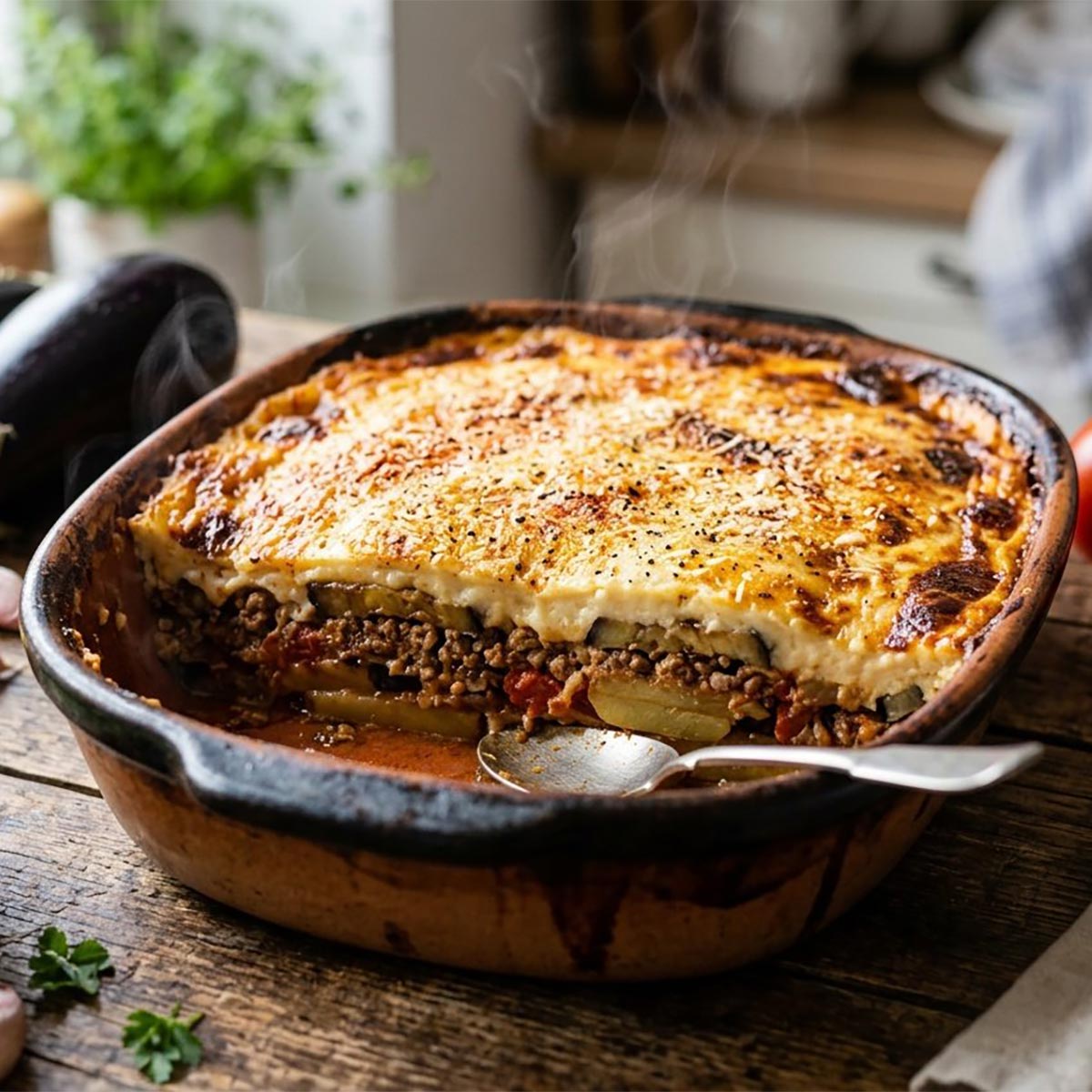
Moussaka Explained: Layers of Flavor, Comfort, and Global Variations
Step into almost any Greek home, diner, or festival, and you’re likely to encounter the unmistakable aroma and comforting presence of
moussaka. More than just a dish, moussaka is a culinary journey, a symphony of textures and tastes that has captivated palates across the globe. This iconic casserole, known for its rich layers of tender vegetables, savory spiced meat, and creamy béchamel, is a testament to the diverse cultural tapestry of the Eastern Mediterranean and Middle East. It’s a meal that speaks of history, hospitality, and pure, unadulterated comfort, perfect for both everyday enjoyment and special occasions.
The Heart of Moussaka: Layers of Tradition and Flavor
At its core, a classic
moussaka is a meticulously constructed masterpiece, a delicious architectural feat built upon three distinct, yet harmonious, layers. Understanding each component is key to appreciating the depth of this beloved dish.
The Star Vegetables: Eggplant and Potato
The foundation of many moussaka variations begins with vegetables, most notably aubergines (eggplants) and potatoes. These aren't just fillers; they are crucial flavor and texture contributors. Eggplant, with its porous flesh, absorbs the rich flavors of the meat sauce and spices beautifully. The traditional Greek method often involves pan-frying or roasting the eggplant slices until golden brown. This vital step serves a dual purpose: it removes excess moisture, preventing the final dish from becoming watery, and it softens the eggplant, giving it that melt-in-your-mouth quality. Potatoes, particularly in the northern regions of Greece like Macedonia, offer a sturdy, comforting base and a contrasting texture, often parboiled before layering to ensure they cook evenly and contribute to the dish's hearty feel.
The Savory Heart: Spiced Ground Meat
Nestled between the vegetable layers is the soul of the
moussaka: a robust, spiced ground meat sauce. While lamb is traditionally favored in many Mediterranean countries for its rich, earthy flavor, ground beef is also commonly used, sometimes in combination with lamb. This isn't just a simple meat sauce; it's a slow-simmered blend infused with aromatic ingredients. Onions and garlic form the fragrant base, while crushed or diced tomatoes contribute sweetness and acidity. The magic truly happens with the spices, a signature blend that often includes warming cinnamon, fragrant oregano, and a hint of allspice, creating a depth of flavor that is both exotic and familiar. A splash of red wine is frequently added to deglaze the pan and intensify the meat's savory notes, making for an incredibly rich and satisfying middle layer.
The Crown Jewel: Creamy Béchamel
What truly elevates the modern Greek
moussaka from a simple layered meat and vegetable dish to a culinary icon is its crowning glory: the creamy, custardy béchamel sauce. This luxurious white sauce provides a velvety contrast to the robust meat and earthy vegetables. Made from a roux of butter (or olive oil) and flour, slowly whisked with warm milk, the béchamel is typically enriched with eggs and a grating of hard cheese, such as kasseri or Parmesan, adding an umami depth and helping it set beautifully during baking. The result is a golden, bubbly top layer that protects the flavors beneath while offering a delicate, creamy finish that holds its shape when sliced.
A Journey Through Time: Moussaka's Fascinating History and Evolution
The story of
moussaka is as layered as the dish itself, a rich tapestry woven through centuries of cultural exchange and culinary innovation across the Eastern Mediterranean.
From Ancient Roots to Modern Icon
The origins of moussaka can be traced back to the Eastern Mediterranean and Middle East, reflecting a shared culinary heritage across regions once united under vast empires. The name itself, "moussaka," derives from the Arabic term
musaqqâ, meaning "moistened" or "chilled," possibly referencing an earlier version of the dish that was served cold or contained substantial liquid. Historians point to a 13th-century Baghdad recipe called
maghmuma, which combined spiced meat with aubergines, as a potential ancestor. As the Ottoman Empire expanded, so too did this style of eggplant and meat dish, evolving into various forms across Turkish, Balkan, and Levantine cuisines, often appearing as simpler stews without the elaborate béchamel topping.
However, the
moussaka we recognize today as a global phenomenon, particularly the version with the creamy béchamel, is largely attributed to Greek culinary ingenuity. It was refined in the early 20th century by the renowned Greek chef Nikolaos Tselementes. His seminal 1932 cookbook,
Odigos Mageirikis (Guide to Cooking), introduced the French-inspired béchamel sauce to the traditional Greek preparation, transforming what was once a regional peasant dish into a national culinary treasure. Tselementes' innovation popularized a specific, more structured layered casserole that forever linked moussaka with Greece in the international imagination. For a deeper dive into this fascinating journey, explore
From Ottoman Empire to Greek Classic: The Rich History of Moussaka.
The Linguistic Trail of "Moussaka"
The journey of the name "moussaka" itself is a linguistic echo of its culinary spread. From its Arabic root
musaqqâ (مسقعة), it transitioned into Ottoman Turkish as
musakka. Through this conduit, the term disseminated across the vast territories of the Ottoman Empire during medieval and early modern periods. This linguistic evolution is reflected in the diverse spellings and pronunciations found across the region today, including Greek
mousakás (μουσακάς), Turkish
musakka, Arabic
musaqa'a, and various Balkan forms like Serbian
musaka. These linguistic adaptations underscore the dish's deep integration into the culinary identities of numerous cultures.
Global Tapestry: Moussaka Beyond Greece
While the Greek version of
moussaka with its signature béchamel has captured global fame, the dish is a fantastic example of culinary adaptability, boasting numerous regional and cultural variations that speak to its widespread appeal.
Mediterranean and Balkan Interpretations
Across the former Ottoman Empire, variations of moussaka are deeply embedded in local cuisines. In Turkey, for instance,
musakka often presents as a simpler, often deconstructed dish, where cooked eggplant and ground meat are layered or served side-by-side, frequently without a béchamel topping. In the Balkans – countries like Serbia, Bosnia, and Bulgaria –
musaka is typically potato-heavy, often featuring layers of sliced potatoes instead of or in addition to eggplant, and may use a simpler egg-and-yogurt or milk-based topping rather than a classic béchamel, or sometimes no topping at all, resembling a savory meat and potato bake. Even within Greece, regional differences abound; northern Greek Macedonia is known for its potato-forward versions, while islands in the Cyclades might incorporate local ingredients like artichokes. Each variation reflects the availability of local produce and traditional culinary practices, offering a unique take on the core concept of layered vegetables and meat.
Adapting Moussaka for Every Palate
The inherent versatility of
moussaka also lends itself beautifully to modern dietary preferences. For vegetarians and vegans, the meat layer can be creatively substituted with hearty lentils, chickpeas, mushrooms, or even a savory breadcrumb mixture infused with herbs and spices. Plant-based béchamel sauces, often made with nut milk or oat milk and vegan butter, can perfectly replicate the creamy topping, ensuring that everyone can enjoy this beloved comfort food. These adaptations highlight moussaka's ability to transcend its traditional form while retaining its comforting essence and rich flavor profile, proving it truly is a dish for all.
Crafting Your Own Culinary Masterpiece: Tips for the Perfect Moussaka
Making an authentic
moussaka is undeniably a labor of love, a process that rewards patience with an incredibly satisfying and flavorful result. It's the perfect project for a leisurely Sunday or a special occasion when you want to impress.
Essential Preparation Steps
The secret to a truly outstanding moussaka lies in thoughtful preparation. The initial steps, though seemingly time-consuming, are crucial. First, adequately prepare your vegetables. For eggplant, salting the slices and letting them sit for about 30 minutes before patting dry is an excellent way to draw out excess moisture and bitterness, preventing a soggy casserole. Roasting or shallow-frying these slices until tender and slightly golden not only pre-cooks them but also imbues them with a deeper flavor. Potatoes, if used, should be parboiled until just tender before slicing and layering, ensuring they achieve the perfect texture when baked.
Next, focus on the meat sauce. Take your time to properly sauté the aromatics – onions and garlic – until they are translucent and fragrant, building the foundation of flavor. Brown the ground meat thoroughly before adding tomatoes, red wine, and a generous medley of spices. Allow the sauce to simmer gently, letting the flavors meld and deepen. This slow cooking is what gives the meat layer its incredible richness and complexity.
Finally, the béchamel. A creamy, lump-free béchamel is achievable with careful attention. Melt the butter, whisk in the flour to create a smooth roux, then gradually add warm milk, whisking continuously to prevent lumps. Cook until thickened, then off the heat, stir in the egg yolks and grated cheese for that custardy texture and golden hue.
The Secret to a Non-Greasy, Perfect Slice
One of the challenges of moussaka can be achieving a rich flavor without excessive greasiness, and ensuring the béchamel sets beautifully for a clean slice. To avoid a greasy dish, consider roasting the eggplant instead of deep-frying, or ensure you drain any excess fat from your meat sauce before layering. For a béchamel that holds its shape, ensure it's thick enough before pouring and allow the finished moussaka to rest for at least 20-30 minutes after baking before slicing. This resting period allows the layers to settle and the béchamel to firm up, preventing it from collapsing. The entire baking process typically takes about 1.5 to 2 hours in the oven, transforming the individual components into a unified, bubbly, golden-brown casserole. Many experienced cooks, including those who have perfected this recipe over years, agree that shortcuts often compromise the final taste and texture. For more in-depth advice on perfecting this dish, consider reading
Mastering Authentic Moussaka: Tips for a Heavenly Greek Casserole.
In conclusion,
moussaka is much more than a simple dish; it's a culinary legacy that celebrates the richness of history, the warmth of hospitality, and the universal appeal of comfort food. From its ancient origins in the Middle East to its modern Greek incarnation with the iconic béchamel, moussaka embodies a blend of diverse cultural influences. Whether you savor a traditional lamb and eggplant version, explore a potato-heavy Balkan variant, or opt for a modern vegan adaptation, each spoonful offers a taste of tradition and an embrace of heartwarming flavor. It remains a staple in Greek festivals, family gatherings, and homes worldwide, symbolizing heritage and the enduring power of a truly magnificent meal.