From Ancient Origins to Global Delight: The Enduring Legacy of Moussaka
Few dishes encapsulate the rich tapestry of culinary history quite like moussaka. This iconic casserole, celebrated for its succulent layers of spiced meat, tender vegetables, and creamy topping, has journeyed from ancient Middle Eastern kitchens to become a beloved Greek classic, captivating palates worldwide. More than just a meal, moussaka tells a story of cultural exchange, innovation, and the enduring power of comfort food.
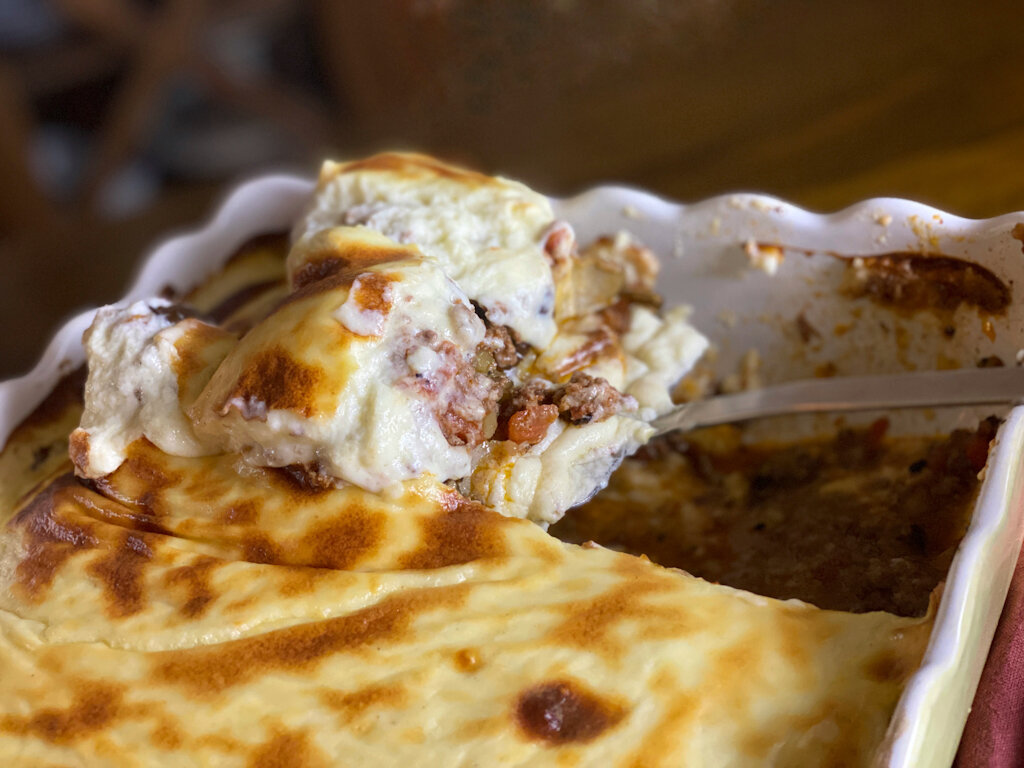
At its heart, moussaka is a symphony of textures and flavors. Typically featuring a base of sliced eggplant or potatoes, a robust ground meat sauce (often lamb or beef), and crowned with a luscious béchamel, it's baked to golden perfection. This dish effortlessly serves as both a hearty weeknight dinner and a show-stopping centerpiece for festive occasions, embodying warmth, hospitality, and culinary heritage.
The Ancient Roots of a Beloved Dish: From Baghdad to the Ottoman Empire
The story of moussaka begins not in Greece, but much further east, echoing the vast culinary landscape of the eastern Mediterranean and the Middle East. The very name "moussaka" offers a profound clue to its origins, deriving from the Arabic term musaqqâ (مسقعة), which translates to "moistened" or "chilled." This linguistic connection points to a much older culinary tradition, likely referencing dishes served cold or infused with liquids.
Historical culinary texts reveal early precursors, such as a 13th-century Baghdadi recipe called maghmuma. This ancient dish already featured the foundational combination of aubergines (eggplants) with spiced meat, highlighting the deep-rooted presence of these ingredients in regional cuisines. As the mighty Ottoman Empire expanded, its diverse culinary traditions spread across vast territories, carrying with it the seeds of what would evolve into the moussaka we know today. Across Turkish, Balkan, and Levantine cuisines, variations of the dish began to emerge, often as simpler stews or layered bakes without the creamy, elaborate topping that would later define its Greek incarnation. These early forms, while delicious, were often less about the luxurious casserole and more about ingeniously combining readily available ingredients into nourishing meals.
The Greek Transformation: Nikolaos Tselementes and the Rise of Iconic Moussaka
While moussaka's roots are undeniably ancient and pan-Ottoman, the version that captured global adoration, and is widely recognized today, is distinctly Greek. The pivotal moment in its evolution arrived in the early 20th century, thanks to the visionary work of a renowned Greek chef, Nikolaos Tselementes. Tselementes, a culinary titan of his time, sought to elevate traditional Greek cuisine by blending its rustic charm with sophisticated Western European techniques, particularly those from French gastronomy.
In 1932, his seminal cookbook, Odigos Mageirikis (Guide to Cooking), introduced a groundbreaking refinement: the addition of a rich, French-inspired béchamel sauce. This creamy, custardy topping transformed moussaka from a regional peasant dish into a sophisticated national icon. Tselementes' innovation was nothing short of revolutionary. It not only added an unparalleled layer of richness and elegance but also provided a structural integrity that allowed the casserole to be sliced and served with grace. This single modification cemented the modern Greek moussaka in the culinary canon, popularizing it globally and solidifying its status as a cornerstone of Greek identity.
The Greek moussaka's distinctive flavor profile relies on key ingredients that sing with Mediterranean sunshine. Beyond the essential eggplants and choice of ground beef or lamb, it often includes tomatoes, a splash of red wine, and a fragrant medley of spices like cinnamon, oregano, and allspice. These spices, reminiscent of the Silk Road's influence, infuse the meat sauce with an aromatic depth that sets it apart.
Crafting the Layers of Perfection: What Makes an Authentic Moussaka?
The beauty of an authentic Greek moussaka lies in its meticulously assembled layers, each contributing to the dish's ultimate harmony and texture. Achieving that heavenly balance of flavors and structural integrity requires patience and attention to detail, proving that some shortcuts just aren't worth taking for the best results.
- The Eggplant (and Potato) Base: The foundation typically consists of thick slices of eggplant, though some regional variations incorporate potatoes, especially in northern Greece's Macedonia. The crucial step here is preparing the eggplant: slices are often salted to draw out excess moisture and bitterness, then either pan-fried until golden or roasted to achieve a tender texture without becoming greasy. This process ensures the eggplant contributes flavor without making the overall dish watery.
- The Rich Meat Sauce: This is the soul of the moussaka. Ground lamb or beef is simmered with sautéed onions and garlic, then enriched with ripe tomatoes, a touch of red wine, and the signature blend of warm spices—cinnamon, oregano, and sometimes a hint of nutmeg or allspice. The sauce needs to reduce slowly, allowing the flavors to meld and intensify, creating a deeply savory, aromatic filling that’s moist but not runny. This careful simmering ensures a rich flavor without greasiness, a common pitfall in less refined recipes.
- The Creamy Béchamel Topping: The crowning glory, Tselementes' béchamel, is a simple yet elegant sauce made from butter or oil, flour, milk, and often enriched with eggs and a touch of grated hard cheese like Kasseri or Parmesan. The secret to a perfect béchamel for moussaka is achieving a smooth, velvety consistency that's thick enough to hold its shape when sliced, yet custardy and luxurious when baked. It should spread evenly over the meat and vegetables, forming a golden, bubbly crust that crackles slightly as you cut into it. For more in-depth techniques on mastering this crucial element, explore our guide on Mastering Authentic Moussaka: Tips for a Heavenly Greek Casserole.
Once all components are prepared, they are carefully layered in a baking dish, typically starting with eggplant (and often pre-boiled potato slices), followed by the meat sauce, and finally blanketed with the béchamel. The entire casserole is then baked for approximately 1.5 to 2 hours until the topping is a glorious golden brown and the internal layers are tender and bubbling. The aroma that fills the kitchen during this final baking stage is, for many, the very essence of comfort and anticipation.
Moussaka Beyond Borders: Regional Variations and Cultural Significance
While the Greek version with béchamel has become the global standard, moussaka’s journey through the Ottoman Empire left an indelible mark, resulting in a fascinating array of regional variations. In Turkey, "musakka" often refers to a dish simpler in construction, sometimes more akin to a vegetable and meat stew without the béchamel. Balkan countries like Serbia and Bulgaria also boast their own "musaka," frequently using potatoes as the primary vegetable and omitting the béchamel, opting instead for a lighter topping or simply baking the layered ingredients. Even within Greece, diversity thrives: northern regions like Macedonia might feature potato-heavy moussaka, while islands in the Cyclades sometimes incorporate local ingredients like artichokes, adapting the classic to their unique produce.
Moreover, moussaka has shown remarkable adaptability to modern dietary preferences. Creative meat-free adaptations using lentils, mushrooms, or even breadcrumbs provide delicious alternatives for vegetarian and vegan diets, proving that the spirit of the dish—layered comfort—can transcend its traditional ingredients.
Culturally, moussaka is far more than just a recipe; it's a powerful symbol of Greek identity and hospitality. It embodies a rich culinary heritage, seamlessly blending ancient Levantine influences with Ottoman traditions and Western European refinements. From family gatherings and festive celebrations to the bustling tables of Greek diners worldwide and the homes of diaspora communities, moussaka remains a staple. It represents warmth, generosity, and the timeless tradition of sharing good food with loved ones, making every bite a taste of history and heartfelt connection.
Conclusion
From its ancient origins as a simple spiced aubergine and meat dish in 13th-century Baghdad to its celebrated status as Greece's national culinary treasure, moussaka's journey is a testament to the dynamic evolution of food. Chef Nikolaos Tselementes' ingenious addition of béchamel transformed it into the iconic layered casserole we adore today, a dish that transcends mere sustenance to offer profound comfort and a taste of history. Whether you're exploring its diverse regional variations or savoring the classic Greek preparation, moussaka remains a captivating dish, inviting you to delve into its rich past and discover the enduring appeal of its truly heavenly layers.
